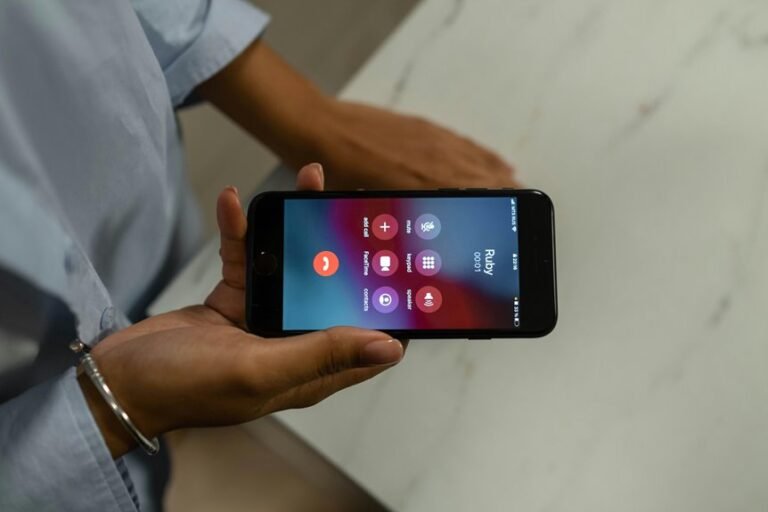
Contact Portal Start 689-233-1042 Revealing Trusted Phone Trace

The discussion centers on a portal branded as Contact Portal Start 689-233-1042, framed as a privacy-conscious phone-trace service. It promises minimal data exposure, auditable logs, and independent oversight. The claim is that verification precedes action, with clear incident handling and governance. Critics will ask whether privacy safeguards compromise traceability, and whether data minimization truly prevents abuse. The proposition invites scrutiny, inviting readers to weigh transparency against practical privacy risks as the system’s boundaries are tested.
What Trusted Phone Trace Delivers for Your Privacy
What does Trusted Phone Trace deliver for user privacy? The offering, viewed skeptically, promises a trustworthy trace while emphasizing privacy safeguards. In practice, it supplies minimized data exposure and auditable logs, yet raises questions about data retention and third-party access. Clarity remains essential for those seeking freedom, as users weigh transparency against potential overreach in tracing capabilities.
How Phone Tracing Works Behind the Scenes
Phone tracing systems operate through a layered sequence of data collection, signal processing, and log-keeping that runs largely behind user interfaces.
Behind the scenes, networks aggregate call metadata, timestamps, and routing paths, then anonymize where possible.
Skeptically assessed, the process hinges on privacy safeguards and rigorous data handling, ensuring accountability while exposing potential leakage and systemic blind spots.
Steps to Verify Callers and Block Nuisance Numbers
To verify callers and curb nuisance numbers, organizations implement a structured workflow that evaluates identity signals, corroborates metadata, and enforces blocking rules only after criteria are met. The process balances transparency and caution, aiming to protect privacy while avoiding false positives. verify callers, block nuisance numbers, and choose reliable trace service with rigorous verification, independent auditing, and ongoing reassessment.
How to Choose a Reliable Trace Service and Protect Data
Choosing a reliable trace service requires a structured appraisal of verification rigor, data security, and governance. The evaluation should prioritize privacy safeguards and data governance frameworks, ensuring minimal data exposure. Assess collaboration transparency and documented incident response. Emphasize risk mitigation, ongoing audits, and clear service-level commitments. A skeptical lens guards against hidden clauses, while freedom-minded users demand verifiable credentials and independent audits.
Conclusion
A cautious lens eyed the promise of trusted phone trace, weighing privacy against accountability. The system is painted with safeguards and auditable logs, yet its power to reveal is double-edged, inviting misuse if unchecked. Transparency and independent audits anchor trust, but real-world safeguards must endure evolving threats. In the end, responsible use depends on rigorous governance, minimal data collection, and verified credentials—not bravado, but verifiable restraint. Privacy, when paired with verified trace, gains durable legitimacy.